Why Singapore’s Digital Ambitions Rest on Autonomous, AI-Driven Cyber Defence
Darktrace's Sanjay Aurora argues that after SolarWinds, Singapore's digital plans need self-learning AI defences that act at machine speed.
Section
Darktrace's Sanjay Aurora argues that after SolarWinds, Singapore's digital plans need self-learning AI defences that act at machine speed.
Keysight's Greg Copeland argues that zero trust needs visibility tools such as asset discovery, traffic monitoring and attack simulation, not just access controls.
ExtraHop's David Sajoto on why insecure cloud APIs expose data, from weak authentication to tainted open source, and the practices that reduce the risk.
ManageEngine's Sareeka A. G. sets out who attacks nations online, from state-backed groups to lone criminals, and the defences governments should build.
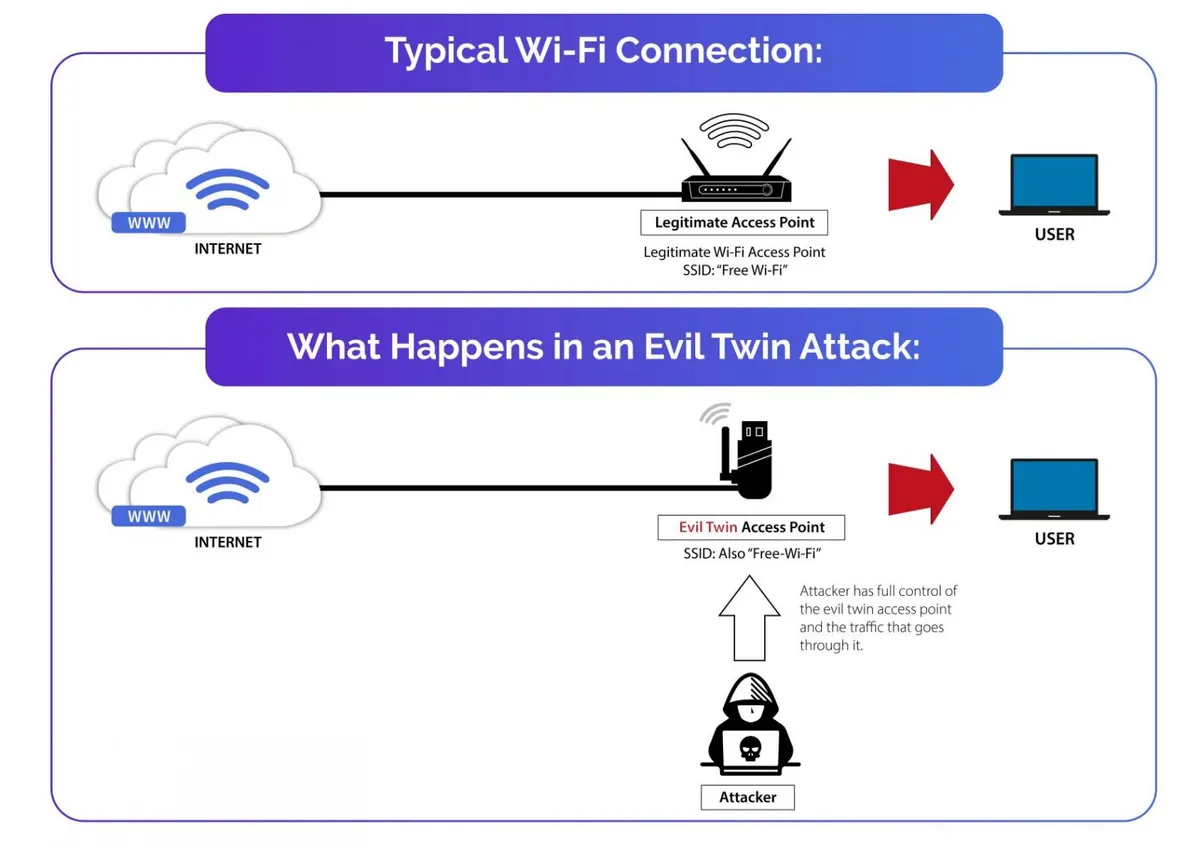
An evil twin is a fake Wi-Fi network copying a real one's name so an attacker can watch traffic and steal logins. How it is set up and how to stay safe.
Veritas Singapore director Justin Loh links phishing losses and scattered hybrid IT to the case for unified data protection, citing a CSA phishing survey.
HackerOne's Rena Chua explains why a vulnerability disclosure policy gets flaws reported rather than hidden, and the five elements every policy should include.
Phishing uses fake emails, websites, calls and texts to extract personal data. Common lures, how spear phishing differs, and what a successful attack costs.
Keysight's Scott Register cites the Verizon DBiR on rising error-driven breaches and lists six internal checks, from SSL decryption to URL filtering.
Singapore's PDPC proposed adding data portability and mandatory breach notification to the PDPA, a move Malwarebytes Labs links to seeking EU GDPR adequacy.
ManageEngine's Mohamed Jafriin N H argues that real-time log analysis, user tracking and automated response are how companies catch breaches early.