Why Remote Monitoring and Management Belongs in an MSP's Security Strategy
RMM tools are known for automating IT chores for managed service providers. N-able argues its N-sight platform also closes security gaps for their clients.
Spending on information technology keeps rising, and the companies that run IT for others are riding the wave. A report by Gartner forecasts worldwide IT spending of USD $5 trillion in 2024, up 6.8% on 2023, a figure that reflects how heavily every industry now depends on technology. Managed Service Providers (MSPs), which help businesses put that technology to good use, sit at the centre of this growth.
What RMM already does for service providers
Much of that success rests on Remote Monitoring and Management (RMM) software. These tools let an MSP look after client infrastructure efficiently, from one place. Without them, a provider responsible for dozens or hundreds of client environments would have to keep critical systems running with no way of watching or maintaining them remotely, and would spend its days reacting to problems instead of preventing them.
Current RMM platforms take over routine jobs such as patch management, system updates and device monitoring. That frees MSP staff for more strategic work on behalf of their clients. The operational case for RMM is well understood. What gets less attention is how much it can contribute to security, a benefit the article argues is often overlooked.
Security features inside N-able N-sight
N-able presents its N-sight platform as an RMM that goes further than the basics, with security functions built into the product itself so that MSPs do not have to stitch separate tools together to protect their clients. The company lists four areas:
- Remote access. Connections are protected by encryption and multi-factor authentication, so technicians can reach systems securely from any device at any time.
- Endpoint protection. N-sight includes Endpoint Detection and Response (EDR) technology from SentinelOne, adding a layer of defence for client systems, data, devices and networks against changing threats.
- Network monitoring. The platform watches network traffic continuously, flags anomalies and takes corrective action in real time, with the aim of stopping a breach before it happens.
- Backups. By default, backups are kept in the cloud. This "air gap" arrangement keeps critical data out of reach of ransomware that goes after local storage.
Extra layers for providers that want to sell more
For MSPs that want to offer more than the fundamentals, N-sight adds advanced antivirus and web security, risk assessments that surface vulnerabilities early, granular User Access Control to protect sensitive data, and Mobile Device Management (MDM) for staff who work on phones and tablets.
According to N-able, a provider that bundles these capabilities can offer clients stronger protection than a basic package, which in turn helps it keep customers, sell advanced services and grow revenue. The company also says the platform's next-generation security features leave MSPs better prepared for threats that keep shifting.
The vendor's overall pitch is that N-sight makes IT management simpler while keeping security strong, so organisations can concentrate on their core business. N-able describes it as an RMM built for the future and suggests its security capabilities could be the piece missing from a company's wider security strategy.
More blogs

Metaverse Security: The Attacks Businesses Expect as They Move Into Virtual Worlds
A Tenable survey of 1,500 security professionals shows how firms entering the metaverse rate the risk of deepfake avatars, eavesdropping and phishing.
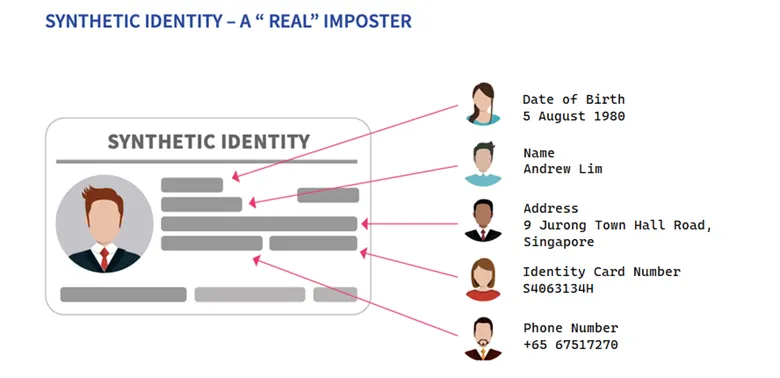
Synthetic Identity Fraud: How It Works and How Institutions Can Catch It
Synthetic identity fraud blends real and invented personal details into a new person. Why banks in Southeast Asia struggle to spot it and what detection relies on.
How Cohesity Threat Defense Aims to Take Organisations Beyond Zero Trust
Ransomware hit several Singapore organisations in 2021. Cohesity's Threat Defense, DataGovern and Project Fort Knox aim to put prevention first.