How Cohesity Threat Defense Aims to Take Organisations Beyond Zero Trust
Ransomware hit several Singapore organisations in 2021. Cohesity's Threat Defense, DataGovern and Project Fort Knox aim to put prevention first.
Executives expect cyber attacks to rise, and security now ranks among the top worries for organisations. Ransomware causes the most unease: attacks are becoming more frequent and more sophisticated, the costs keep climbing, and a successful one can badly disrupt a business.
Events have borne those fears out. In August 2021 alone, several ransomware attacks were reported across Asia, some against well-known Singapore organisations such as Pine Labs, Tokio Marine Insurance Singapore and the Eye and Retina Surgeons clinic. Earlier, in May that year, the subsidiaries of an international insurer in the Philippines, Malaysia, Thailand and Hong Kong were each struck by ransomware demanding USD $20 million.
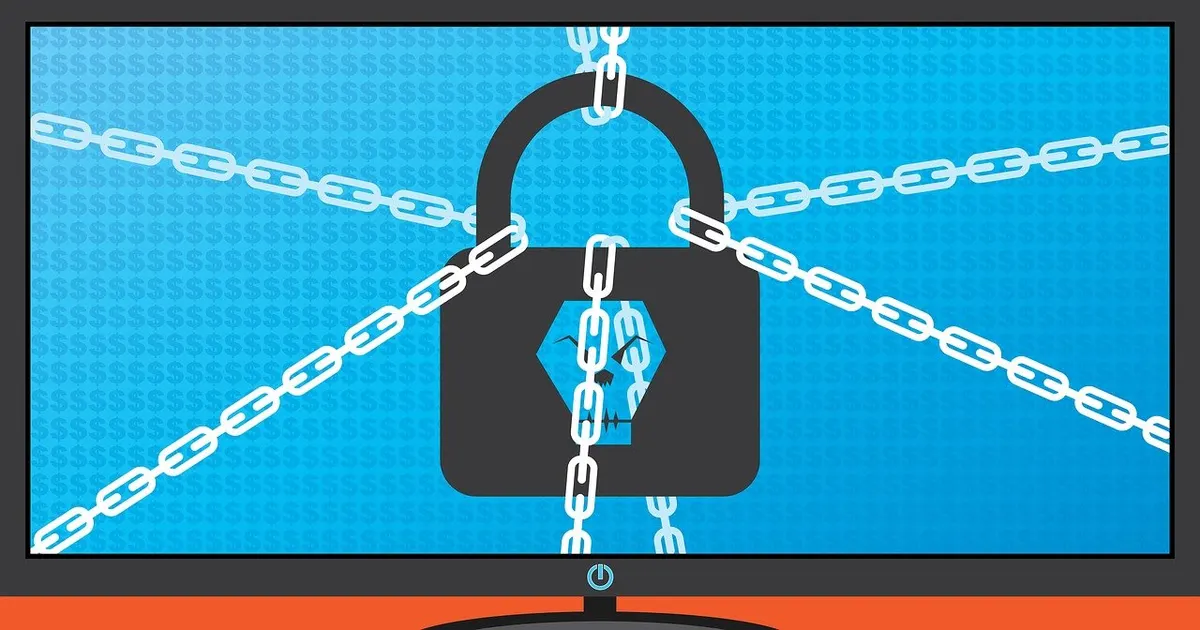
This is a costly and dangerous situation for any organisation. Threats keep changing, and attackers are ready to strike whichever target looks weakest. Many now feel that an attack is only a matter of time and that nobody will be spared, whether the incident is ransomware or something else.
From reaction to prevention
Companies are not helpless, though. Ravi Rajendran, Cohesity's vice president for Asia Pacific and Japan, has said that organisations need to shift "from reaction to prevention". He points to forecasts that the annual cost of ransomware remediation will grow more than 13-fold to above USD $265 billion by 2031, and that the interval between attacks will shrink from 11 seconds to 2 seconds over the same period. Faced with that, he asks what organisations and insurers can do so that ransomware holds neither of them to ransom, and his answer is that prevention is the best remedy.
Cohesity's own route to prevention is Threat Defense, the company's next-generation data management architecture, which it presents as going beyond the zero-trust model. The AI-driven system spots threats in near real time, keeps attackers out and works alongside existing security tools, including those from Thales, Trend Micro and SentinelOne, to strengthen an organisation's overall posture.
Threat Defense also blocks unauthorised access through strict controls such as multi-factor authentication, granular role-based access control and Quorum. Just as important, it protects backup data at the core. Its resilient architecture includes strong encryption algorithms, erasure coding, immutable backup snapshots and WORM (DataLock), among other features.
DataGovern and Project Fort Knox
Cohesity has since extended Threat Defense with two new services in its Data Management-as-a-Service portfolio, aimed at newer threats and at both prevention and resiliency:
- Cohesity DataGovern is a data security and governance service. It uses AI and machine learning to find sensitive data automatically and to flag unusual access and usage patterns that could point to an intrusion or attack. Catching these automatically is what stops attempts to exfiltrate data.
- Project Fort Knox lets organisations keep isolated copies of their data in a vault that Cohesity manages. Those copies keep data recoverable after a ransomware attack and give organisations a further defence against attackers who try to encrypt their data.
According to Cohesity, the two services add to Threat Defense and, together with its wide network of ecosystem partners, help companies push back against current threats, ransomware included. As attackers and their methods change, the company's argument is that organisations have to change with them.
More blogs
Why Remote Monitoring and Management Belongs in an MSP's Security Strategy
RMM tools are known for automating IT chores for managed service providers. N-able argues its N-sight platform also closes security gaps for their clients.

Metaverse Security: The Attacks Businesses Expect as They Move Into Virtual Worlds
A Tenable survey of 1,500 security professionals shows how firms entering the metaverse rate the risk of deepfake avatars, eavesdropping and phishing.
.webp)
Synthetic Identity Fraud: How It Works and How Institutions Can Catch It
Synthetic identity fraud blends real and invented personal details into a new person. Why banks in Southeast Asia struggle to spot it and what detection relies on.